Budgeting for Beginners: Step-by-Step Instructions
Learning how to budget is one of the most important financial skills you can develop. A simple budget helps you understand where your money goes, reduce financial stress, and build a stronger future. If you are new to personal finance, creating your first budget may feel overwhelming, but it does not have to be complicated.
This beginner-friendly guide will walk you through budgeting step-by-step so you can take control of your money with confidence.
What Is Budgeting?
Budgeting is the process of creating a plan for how you will spend and save your money. A budget helps you match your income with your expenses so you can avoid overspending and work toward your financial goals.
A good budget allows you to:
- Pay bills on time
- Reduce unnecessary spending
- Save money consistently
- Prepare for emergencies
- Reach financial goals faster
- Feel more in control of your finances
The goal of budgeting is not to restrict your life. It is to help you use your money intentionally.
Why Budgeting Is Important
Many people live paycheck to paycheck because they do not know exactly where their money is going. Small purchases add up quickly, and unexpected expenses can create financial stress.
Budgeting helps you:
- Track your spending habits
- Identify wasteful expenses
- Build better money habits
- Avoid debt
- Create financial stability
Even a simple monthly budget can make a huge difference over time.
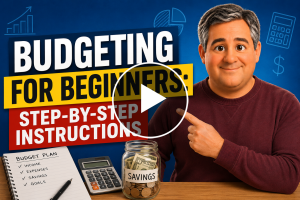 (Watch the Video)
Step 1: Calculate Your Monthly Income
The first step in budgeting for beginners is understanding how much money you bring in each month.
Your monthly income may include:
- Paychecks from your job
- Freelance or side hustle income
- Government benefits
- Child support or alimony
- Investment income
Focus on your net income, which is the amount you receive after taxes and deductions.
If your income changes each month, estimate your average monthly income based on the last three to six months.
Example
If you earn:
- $2,800 from your job
- $400 from freelance work
Your total monthly income is $3,200.
Knowing your true income gives you a realistic starting point for your budget.

Step 2: Track Your Spending
Before creating a budget plan, you need to know where your money currently goes.
Review your:
- Bank statements
- Credit card statements
- Cash purchases
- Subscription services
Track your spending for at least one month.
Common expense categories include:
- Housing
- Utilities
- Groceries
- Transportation
- Insurance
- Entertainment
- Dining out
- Savings
- Debt payments
Many beginners are surprised by how much they spend on small daily purchases like coffee, fast food, or online shopping.
Tracking your spending helps you identify problem areas and opportunities to save money.
Get Your FREE Credit report Here
Step 3: Separate Needs From Wants
One of the most important budgeting basics is understanding the difference between needs and wants.
Needs
Needs are essential expenses you must pay to live and work.
Examples include:
- Rent or mortgage
- Utilities
- Groceries
- Transportation
- Insurance
- Minimum debt payments
Wants
Wants are non-essential expenses that improve your lifestyle but are not necessary.
Examples include:
- Streaming services
- Dining out
- Entertainment
- Shopping
- Vacations
- Premium subscriptions
Cutting back on wants does not mean eliminating all fun spending. The goal is balance and intentional spending.
Step 4: Choose a Budgeting Method
There are many ways to budget. The best method is the one you can stick with consistently.
The 50/30/20 Budget
This popular budgeting method divides your income into three categories:
- 50% for needs
- 30% for wants
- 20% for savings and debt repayment
For example, if your monthly income is $3,000:
- $1,500 goes to needs
- $900 goes to wants
- $600 goes to savings or debt
This system is simple and beginner-friendly.
Zero-Based Budgeting
With zero-based budgeting, every dollar has a purpose.
Your income minus your expenses equals zero.
You assign money to:
- Bills
- Savings
- Debt payments
- Spending categories
This method gives you maximum control over your finances.
Envelope Budgeting
Envelope budgeting uses cash envelopes for spending categories like groceries, entertainment, and dining out.
When the envelope is empty, you stop spending in that category until the next month.
This system helps control overspending.
Step 5: Create Your Budget Categories
Now it is time to build your monthly budget.
Start with fixed expenses:
- Rent or mortgage
- Car payment
- Insurance
- Internet
- Phone bill
Next, estimate variable expenses:
- Groceries
- Gas
- Dining out
- Entertainment
Finally, include:
- Savings goals
- Emergency fund contributions
- Debt payments
Your total expenses should not exceed your monthly income.
Step 6: Build an Emergency Fund
An emergency fund is money set aside for unexpected expenses like:
- Car repairs
- Medical bills
- Job loss
- Home repairs
Without emergency savings, many people rely on credit cards or loans during emergencies.
Start small if necessary.
A good beginner goal is:
- $500 to $1,000 initially
- Eventually three to six months of living expenses
Saving consistently matters more than saving large amounts right away.
Step 7: Reduce Unnecessary Expenses
If your expenses are higher than your income, look for areas to reduce spending.
Simple ways to save money include:
- Cancel unused subscriptions
- Cook meals at home
- Limit impulse purchases
- Shop with a grocery list
- Compare insurance rates
- Reduce dining out
Small changes can create significant savings over time.
For example, saving just $10 per day adds up to over $3,600 per year.
Step 8: Use Budgeting Tools
Budgeting is easier when you use tools to stay organized.
Popular budgeting tools include:
- Budget planners
- Spreadsheets
- Mobile budgeting apps
- Printable budget worksheets
Many beginners prefer apps because they automatically track spending and categorize transactions.
Choose a system that fits your lifestyle and feels easy to maintain.
Step 9: Review Your Budget Every Month
Your budget should evolve as your life changes.
At the end of each month:
- Review your spending
- Compare it to your budget
- Identify areas for improvement
- Adjust categories if needed
Budgeting is not about perfection. It is about progress and consistency.
Some months will go smoothly while others may include unexpected expenses. The key is continuing to improve your money habits.
Common Budgeting Mistakes Beginners Make
Setting Unrealistic Goals
Creating a budget that is too strict often leads to frustration and burnout.
Forgetting Irregular Expenses
Include occasional expenses like:
- Holidays
- Birthdays
- Car maintenance
- Annual subscriptions
Not Tracking Spending
A budget only works if you actively monitor your expenses.
Giving Up Too Quickly
Budgeting takes practice. Most people need several months to build a system that works well.
Tips for Budgeting Success
To make budgeting easier:
- Keep your budget simple
- Automate savings when possible
- Focus on consistency
- Celebrate small wins
- Review goals regularly
Remember that every financial improvement starts with small steps.
Final Thoughts
Budgeting for beginners does not need to be stressful or complicated. By understanding your income, tracking expenses, separating needs from wants, and creating a realistic spending plan, you can build better financial habits and reduce money stress.
The most important part of budgeting is consistency. Even small improvements in how you manage money can lead to major financial progress over time.
Start with a simple budget today, adjust as needed, and focus on steady progress instead of perfection. Your future self will thank you.