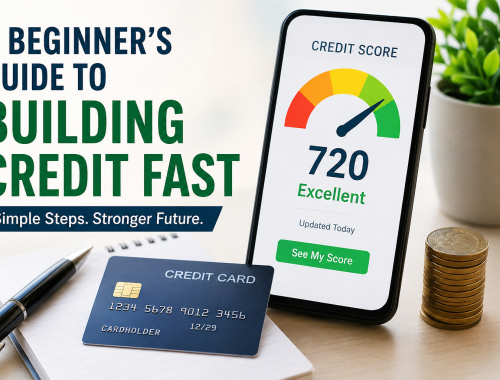
Raise Your Credit Score with these Simple Tips
Your credit score plays a major role in your financial life. Whether you want to buy a home, finance a car, qualify for a credit card, or even rent an apartment, your credit score can affect your opportunities and costs. A higher score often means lower interest rates, better loan approvals, and more financial flexibility.
The good news is that improving your credit score does not have to be complicated. With consistent habits and smart financial decisions, you can steadily build stronger credit over time. In this guide, you will learn practical and effective strategies to help raise your credit score and improve your overall financial health.
Understand What Impacts Your Credit Score
Before you can improve your score, it helps to understand what influences it. Most credit scoring models look at several key factors:
- Payment history
- Credit utilization
- Length of credit history
- Types of credit accounts
- New credit inquiries
Payment history and credit utilization usually have the biggest impact. That means paying bills on time and keeping balances low are two of the most effective ways to improve your score.
Pay Your Bills on Time Every Month
One late payment can damage your credit score and stay on your credit report for years. Consistently paying your bills on time is one of the fastest ways to build positive credit history.
Set up automatic payments or reminders to avoid missing due dates. Even making the minimum payment is better than paying late. Focus on paying all financial obligations on time, including:
- Credit cards
- Auto loans
- Personal loans
- Student loans
- Utility bills when reported
If you have missed payments in the past, start building a new positive pattern today. Over time, recent on-time payments can help offset older mistakes.
 (Watch the Video)
Keep Your Credit Card Balances Low
Your credit utilization ratio measures how much of your available credit you are using. For example, if your credit card limit is $5,000 and your balance is $2,500, your utilization is 50%.
Experts often recommend keeping utilization below 30%, but staying under 10% can help maximize your score.
Here are a few simple ways to lower utilization:
- Pay balances more than once per month
- Request a higher credit limit
- Avoid maxing out cards
- Use cash or debit for unnecessary purchases
Lower balances show lenders that you can manage credit responsibly.
Click Here to get Your FREE Annual Credit Report
Avoid Applying for Too Many Credit Accounts
Every time you apply for new credit, a hard inquiry appears on your credit report. Too many applications within a short period can lower your score and make lenders think you are struggling financially.
Only apply for new credit when necessary. Before submitting an application, research your options carefully to avoid unnecessary inquiries.
If you are shopping for a mortgage or auto loan, try to complete applications within a short time frame. Many scoring models treat multiple inquiries for the same type of loan as a single inquiry when done within a specific period.
Check Your Credit Report for Errors
Credit report mistakes happen more often than many people realize. Incorrect late payments, inaccurate balances, or accounts that do not belong to you can hurt your score.
Review your credit reports regularly and look for:
- Incorrect account information
- Duplicate accounts
- Wrong payment statuses
- Fraudulent accounts
- Outdated negative items
If you find an error, dispute it with the credit bureau immediately. Correcting inaccurate information may improve your score quickly.
Monitoring your credit also helps you spot identity theft before it becomes a major problem.
Keep Older Credit Accounts Open
The age of your credit accounts affects your credit score. Older accounts help establish a longer credit history, which lenders generally view positively.
Closing old credit cards may reduce your average account age and increase your credit utilization ratio. Even if you rarely use an older card, keeping it open can benefit your score.
If the account has no annual fee, consider using it occasionally for small purchases and paying the balance in full each month.
Create a Budget and Stick to It
Good credit starts with good money management. A monthly budget helps you control spending, avoid debt, and make payments on time.
Start by tracking your income and expenses. Identify areas where you can reduce unnecessary spending and use those savings to pay down debt.
A simple budget can help you:
- Avoid overspending
- Build emergency savings
- Pay off debt faster
- Reduce financial stress
Financial stability makes it easier to maintain healthy credit habits long term.

Pay Down Existing Debt Strategically
Reducing debt can significantly improve your credit score over time. Focus on paying down high-interest balances first while continuing to make minimum payments on other accounts.
Two common debt payoff strategies include:
The Snowball Method
Pay off the smallest balance first while making minimum payments on the rest. Once the smallest debt is eliminated, move to the next smallest balance.
This method helps build motivation through quick wins.
The Avalanche Method
Focus on debts with the highest interest rates first. This strategy saves more money over time by reducing interest costs.
Choose the method that works best for your personality and financial goals.
Consider Becoming an Authorized User
If you have limited or poor credit history, becoming an authorized user on someone else’s credit card may help. When the primary cardholder has a strong payment history and low balances, their positive account history may appear on your credit report.
However, this strategy only works if the account is managed responsibly. Choose someone with excellent credit habits and a long-standing account history.
Use a Secured Credit Card if Necessary
If your credit score is very low or you are rebuilding credit after financial hardship, a secured credit card can be a helpful tool.
Secured cards require a refundable security deposit, which usually becomes your credit limit. By using the card responsibly and paying balances on time, you can establish positive payment history.
Many secured card issuers eventually allow users to upgrade to traditional unsecured credit cards after demonstrating responsible use.
Limit Closing Paid-Off Accounts
Many people believe closing paid-off accounts automatically improves their credit score. In reality, closing accounts may hurt your score by reducing available credit and shortening your credit history.
Instead of closing accounts immediately, consider keeping them open if they do not charge annual fees.
Responsible long-term account management can strengthen your credit profile over time.
Build Healthy Financial Habits
Improving your credit score is not about quick fixes. It requires consistency, patience, and responsible financial behavior.
Healthy habits that support strong credit include:
- Paying bills early
- Avoiding unnecessary debt
- Monitoring spending
- Saving for emergencies
- Reviewing credit reports regularly
Small changes made consistently can produce major improvements over time.
How Long Does It Take to Raise a Credit Score?
The timeline depends on your current situation and the steps you take. Some people see improvements within a few months, while larger changes may take a year or more.
For example:
- Lowering credit card balances may help quickly
- Late payments take longer to recover from
- Building new positive credit history requires patience
The key is consistency. Responsible financial habits create long-lasting results.
Final Thoughts
Raising your credit score does not have to feel overwhelming. By paying bills on time, reducing debt, keeping balances low, and monitoring your credit report, you can steadily improve your financial standing.
Remember that credit improvement is a journey, not an overnight process. The simple habits you build today can lead to better loan approvals, lower interest rates, and greater financial freedom in the future.
Start with one or two changes, stay committed, and watch your credit score grow over time.