How to Build Credit From Scratch
You finally decide to apply for a credit card or car loan… then get denied because you have no credit history. It’s frustrating, especially when nobody ever explained how to build credit in the first place.
The good news is that building credit from scratch is completely possible, even if you’re starting at zero. You don’t need to be rich, and you don’t need to go into debt to make it happen. You just need a few smart habits and a simple plan.
In this guide, you’ll learn how credit works, the fastest ways to start building it, common mistakes to avoid, and practical credit tips that can help raise your score over time.
Why Credit Matters More Than Most People Think
Your credit history affects more than just loans.
A good credit score can help you rent an apartment, get approved for a car loan, qualify for lower interest rates, and sometimes even land a job. Insurance companies may also check your credit when setting rates.
On the other hand, having no credit can make life more expensive. Lenders usually see “no history” as risky because they have no proof you can handle borrowed money responsibly.
That’s why learning how to build credit early can save you money and stress later on.
 (Click to watch the Video)
What Credit Scores Actually Measure
Your credit score is basically a number that tells lenders how reliable you are with borrowed money.
Most scores range from 300 to 850. The higher your score, the better.
Here are the main things that affect your score:
Payment History
This is the biggest factor.
Paying bills on time shows lenders that you’re dependable. Even one missed payment can hurt your score.
Credit Utilization
This means how much of your available credit you use.
For example, if your credit card limit is $500 and you spend $450, your utilization is 90%. That’s considered high.
Most experts recommend staying below 30%.
Length of Credit History
Older accounts help your score because they show a longer history of responsible use.
Credit Mix
Having different types of accounts, like a credit card and a small loan, can help slightly.
New Credit Applications
Applying for too many accounts in a short time can temporarily lower your score.
Step 1: Open a Starter Credit Card
One of the easiest ways to start building credit is with a beginner-friendly credit card.
If you have no credit history, you may not qualify for traditional cards yet. That’s normal.
Instead, look into these options:
Secured Credit Cards
A secured card requires a refundable deposit upfront.
For example, you might deposit $200 and receive a $200 credit limit. You still use the card like a regular credit card, and your payments get reported to the credit bureaus.
Many people use secured cards as their first step into credit.
Student Credit Cards
If you’re in college, student cards are often easier to qualify for.
They usually come with lower limits and basic rewards.
Retail Store Cards
Some store cards are easier to get approved for, but be careful. Many have high interest rates.
If you choose this route, only spend what you can pay off immediately.

Step 2: Use Your Card the Smart Way
Getting approved is only the beginning.
How you use your card matters far more than the card itself.
A simple strategy works best:
Use the card for one small monthly expense like gas, groceries, or a streaming subscription. Then pay the balance in full every month.
That’s it.
You do not need to carry debt to build credit. That’s one of the biggest myths out there.
In fact, paying your balance in full helps you avoid interest while still building positive payment history.
Step 3: Always Pay On Time
If you remember only one thing from this article, remember this:
Pay every bill on time.
Late payments can stay on your credit report for years. Even being 30 days late can damage your score.
Setting up automatic payments can help if you tend to forget due dates.
A lot of beginners focus too much on credit limits and not enough on payment history. Consistency matters more.
Step 4: Keep Your Credit Utilization Low
Here’s a common mistake people make after getting approved for their first card:
They max it out.
Just because your limit is $500 doesn’t mean you should spend all $500.
Low balances help your score because lenders see responsible usage.
A good rule is to stay below 30% utilization. Under 10% is even better if possible.
For example:
- $500 limit → Try to stay under $150
- $1,000 limit → Try to stay under $300
Small purchases paid off regularly work best.
Step 5: Become an Authorized User
If a trusted family member has good credit habits, ask if they can add you as an authorized user on their card.
You don’t even need to use the card yourself.
In many cases, the account history gets added to your credit report, which can help build your profile faster.
This strategy works best when:
- The primary user pays on time
- The balance stays low
- The account has been open for years
If the person has bad habits or high debt, it can hurt more than help.
Step 6: Consider a Credit Builder Loan
Some banks and credit unions offer credit builder loans specifically for beginners.
Here’s how they work:
The lender places a small amount of money into a locked account. You make monthly payments toward it, and once the loan is paid off, you receive the money.
The payments are reported to the credit bureaus, helping you establish credit history.
It’s basically a forced savings plan that can also build your score.
Quick Tip: Check Your Credit Report for Free
You can check your credit reports from all three major bureaus for free.
Look for:
- Incorrect late payments
- Accounts you don’t recognize
- Wrong personal information
Mistakes happen more often than people think.
Catching errors early can protect your score and help prevent identity theft.
Common Mistake: Applying for Too Many Cards at Once
When people first start building credit, they sometimes apply for every card they can find.
That usually backfires.
Each application creates a hard inquiry on your report. Too many inquiries in a short time can lower your score and make lenders nervous.
Apply slowly and strategically.
One good account is better than five random ones.
How Long Does It Take to Build Credit?
This depends on your activity and consistency.
Most people can generate a basic credit score within three to six months after opening an account.
Building strong credit takes longer, but small habits add up faster than you might expect.
If you:
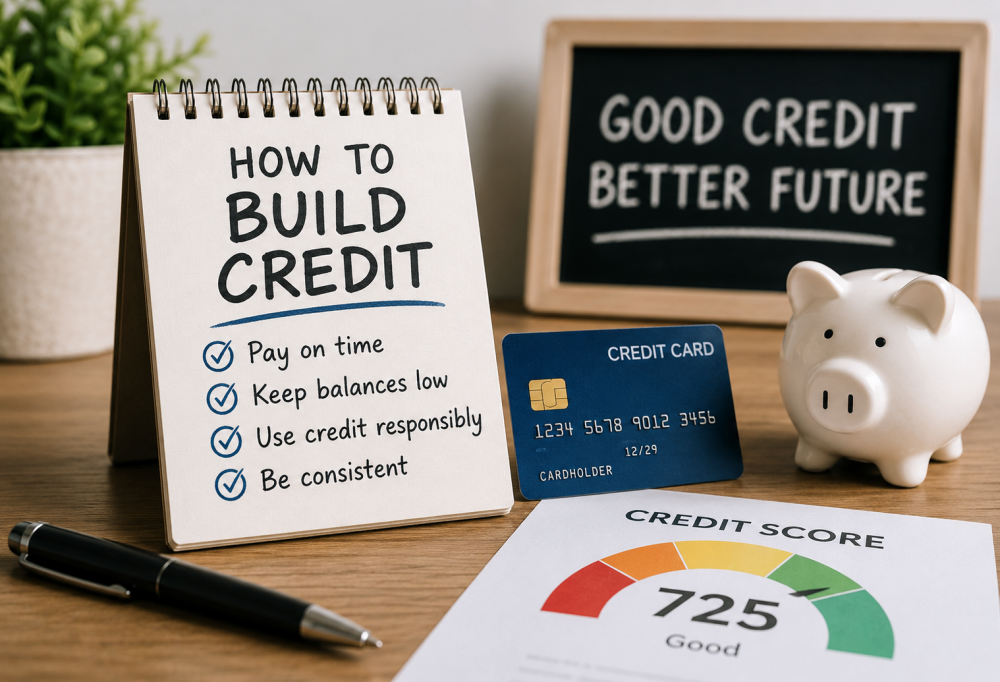
- Pay on time
- Keep balances low
- Avoid unnecessary applications
…you can build a solid foundation surprisingly quickly.
Best Habits for Long-Term Credit Success
Building credit isn’t about tricks. It’s mostly about consistency.
Here are some simple credit score tips that really work over time:
Keep Old Accounts Open
Older accounts help your average credit age.
Closing your first card can sometimes lower your score.
Avoid Carrying Big Balances
High balances can hurt your utilization ratio and make lenders cautious.
Don’t Cosign Loans Carelessly
If the other person misses payments, your credit suffers too.
Use Credit Regularly
Inactive accounts may eventually close. Small monthly purchases can keep accounts active.
Build Slowly
You don’t need perfect credit overnight.
Steady progress matters more than fast shortcuts.
Can You Build Credit Without a Credit Card?
Yes, although credit cards are usually the easiest option.
Other ways include:
- Credit builder loans
- Auto loans
- Student loans
- Reporting rent payments through certain services
- Becoming an authorized user
Still, for most beginners, a secured credit card is the simplest starting point.
Signs Your Credit Is Improving
As your habits improve, you may notice:
- Higher credit card approval odds
- Increased credit limits
- Better loan offers
- Lower interest rates
- Easier apartment approvals
Good credit creates more financial flexibility over time.
That’s why learning how to build credit early can make such a big difference later.
Frequently Asked Questions
How fast can I build credit from scratch?
Most people can start generating a credit score within three to six months. Building a strong score usually takes longer and depends on consistent on-time payments and low balances.
What is the easiest way to build credit?
For beginners, a secured credit card is usually the easiest option. It’s designed for people with little or no credit history and helps build payment history quickly.
Do I need to carry a balance to build credit?
No. Carrying a balance does not improve your score. Paying your card off in full each month is actually one of the smartest credit tips you can follow.
What credit score should beginners aim for?
A score above 670 is generally considered good. Beginners should focus less on the number itself and more on building strong habits consistently.
Can bad credit be fixed later?
Yes. Credit scores can improve over time with better financial habits. Paying bills on time and reducing debt are two of the biggest factors that help rebuild credit.
Final Thoughts
Learning how to build credit can feel confusing at first, but it becomes much simpler once you understand the basics.
Start small. Use credit carefully. Pay on time every month. Keep your balances low.
That combination alone can help you build a strong financial foundation over time.
You do not need fancy tricks or expensive programs. You just need patience and consistency.
The sooner you start building healthy credit habits, the easier future financial goals become.